Sustainability on the Building Scale

1-slide-001

You are hired by the government as an auditor to assess the viability of the LEED citification, and if they should continue or stop using it. Select two similar buildings one is LEED certified and the other is not certified. Compare and contrast their overall environmental performances and end with a paragraph of main recommendations for the building with less environmental compliance as per your assessment.

(Sustainable Development in Cities, USP 514 Class Discussion)

People & Sustainability

2016_09_19_3-usp514_sfsu

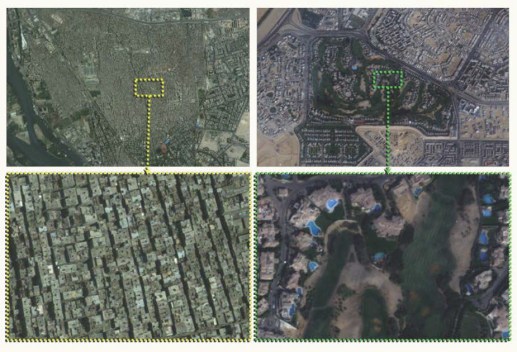
Two contrasting urban fabrics in Cairo, Egypt

People shape their cities in many ways and on many scales. Describe how socioeconomic factors can shaped the built environment from the entire city to the single public space.  Discuss the most relevant example from the class/reading material and bring your own example from your own experience and observations

(Sustainable Development in Cities, USP 514 Class Discussion)

Sustainability of the Natural & the Built Environment


____kruger15500008

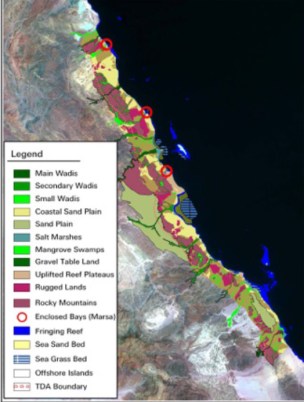
Homogenous Environmental seb-Zones. Part of a land suitability exercise along the Red Sea coast

Sustainability in both the natural and built environment is a major issue facing policy-makers, planners, developers and designers. There is no project, neighborhood or city that have yet achieved the right sustainability balance (the 3 Es). The assessment and exploration of existing built forms allows us to learn more about weaknesses that can be enhanced and improved in future projects, plans and designs.

(1) Based on the lecture and discussions in class, please write a single page introducing the most significant environmental components influencing the area you live in. Give examples of how such factors interact with or influence people’s life.

(2) In one page, mention and explain two major elements of the built environment that are crucial to sustainable development but not implemented properly in your area and will impact people’s quality of life.

(Sustainable Development in Cities, USP 514 Class Discussion)

Evolution of Urbanization & Sustainable Development Concept

Picture1

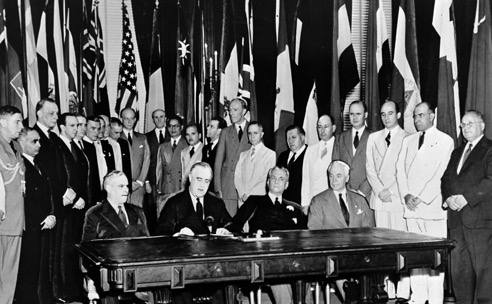
When: January 1, 1942, Who: representatives of 26 nations   |   Where:  Washington DC  |  Action: Signing the Declaration of the United Nations   |   Official Declaration: 24 October 1945

In the urbanization process through human history, sustainable development is a concept that was introduced recently. Write your own definition/understanding of the concept and why the current definition by the UN (our common future report) may be insufficient. And then mention the top milestones in the evolution of urbanization process and why do you think these are the ones that influenced the development process more.

(Sustainable Development in Cities, USP 514 Class Discussion)

#Sust_Glob_South

Solutions for people to erect affordable, stable and sustainable homes | Pakistan

“Earth Home Project” investigates the rising challenges Pakistanis in rural areas have to face. The focus is on trying to find applicable solutions for people to erect affordable, stable and sustainable homes. Architecture plays a crucial role in finding new ways of designing by incorporating local materials and building techniques, thereby minimizing not only the cost but most importantly the reliance on the economic situation. The project started in Pakistan in 2011, initiated by Irshad Balouch, as a direct response to the flood that devastated his country during the summer of 2010 and the lack of support people in rural areas where given following the loss of their land. For most it is strictly impossible to build their houses on their own; the inflation in the cost of basic building materials forcing those able to acquire a loan to take on life-long debts often resulting in the loss of their land. The goal of the project is to acquire, develop and spread the necessary know-how required to build stable constructions, by involving residents of flood affected areas into the process of rebuilding their houses, accompanied by skilled craftsmen, employed by the project, and neighbors, there on a voluntary basis. The project (thanks to donations) is able to cover the unavoidable expenses of some basic building materials such as concrete and burned bricks for strong foundations, wood for window and door frames as well as basic tools. Locally sourced materials such as earth, straw and bamboo, contribute to the sustainability of the design since they are highly accessible, do not require heavy machinery, and empower people by virtue of those materials being relatively easy to acquire and handle. Sustainability, understood as an environmentally as well as socially responsible answer therefor becomes the starting point for the type of architectural thinking at the heart of “Earth Home Project”. Architecture can do more than just provide blueprints for prepackaged products of consumption if it integrates the process of construction and the production of materials as an integral part of what defines it. The hope is that this will enable the community to be more prepared against future disasters resulting from climate change. They will be able to rely on their neighbors and their own abilities to build up their life despite the cruel and unjust conditions of the economy which is pushing many into desperation and towards the margins. So far the endeavor has been able to help raise 121 homes around the area of Multan, which had been very badly affected by the flood due to its position in the Indus river basin.

By: Amandin Richard

Streets as Important Civic & Public Space

Picture1

How a high quality public realm can improve community vitality. The appearance and condition of our public realm can inspire, invigorate, frighten or deflate us. Transportation infrastructure that is designed to be aesthetically rich, and offer a variety of social and community experiences, can foster civic engagement, encourage social connection, and strengthen community identity.

re:Street Reclaiming the Public ROW: West Capitol Ave

___Picture1

West Capitol Avenue is a major east-west, 3.5-mile long arterial and commercial spine running through West Sacramento. The Urban Design and Streetscape Master Plan focused on creating a Complete Street to serve as the heart of the community. This involved redesign of the public-private interface, signage and wayfinding, traffic and circulation, infrastructure, financing strategies and overall streetscape standards. Sustainable infrastructure plans were developed to assure underground utilities like sewer, water and storm drainage are adequate for new development. The extensive community participation program included a series of stakeholder interviews and community workshops. Since Phase One improvements, the city has seen investment by a hotelier, bank and small businesses and the street has welcomed a college, community center, an updated library and remodeled transit centers.

From Competition to Practice: The Case Study of UCLA’S Green Hall

__Picture1

From conception to implementation, architectural designs change over time, but the process of that change often goes unseen. SOM Design Director Javier Arizmendi will reveal how and why designs may evolve, in a lecture that will highlight the case study of Geffen Hall—UCLA’s new teaching and learning facility for the David Geffen School of Medicine. He will show how SOM’s initial winning competition design was transformed through the multidisciplinary design firm’s collaborative process together with the university and their stakeholders.

NEXT PRACTICES: Cities + Water

___PNG.jpg

Brian Jencek, HOK Global Director of Design and Planning, explores multi-disciplinary design solutions to emerging challenges in our built environment.  This presentation focuses on HOK’s current climate responsive projects that are designing new territories between cities and their waterfronts around the world.

The Adaptive Reuse as a Sustainable Solution for Heritage Buildings in Historic Cairo | Egypt

By: Waleed Shehata

___Picture1Historic Cairo contains possibly the finest and best surviving collection of more than 600 listed building, as well as its preserved urban fabric. Sorrowfully, sixty or more years ago, Cairo’s historic quarters have started facing deterioration symptoms. The long government neglect resulted in squatter settlements, diluted infrastructure and informal industries. This situation together with poor public awareness toward the value of heritage contributed to severe deterioration conditions for years. Despite dedicating a huge financial resources from the local government and international organizations the preservation, restoration and protection of historic Cairo’s monuments extend far beyond saving, or even restoring bricks and mortar for tourists. With conservation of the authentic fabric in mind, the adaptive reuse of Cairo’s heritage buildings is a recommended strategy for integrative revitalization and urban development of the historic city.

In architectural heritage conservation, adaptive reuse refers to the appropriate functional conversions of heritage buildings to suit the existing use or a proposed use. “The fact is that the best of all ways of preserving a building is to find a use for it, and then to satisfy so well the needs dictated by that use…”  Viollet-le-Duc, 1854. The function is the most obvious change, but other alterations may be made to the building itself. Adapting a valuable building for reuse can include intensive exterior and interior modifications that are purely aesthetic and/or functional; such as the circulation route, the orientation, and spatio-physical relationships. In some cases the process of adaptive reuse may exceed the boundaries of the existing structure, or it may even necessitate the construction of an annex building depending on the peculiarities of the project. In other words, adaptive reuse includes any intervention to adjust, upgrade, introduce new services and uses to suit desired functional requirements, while safeguarding the place. The process itself should be applied to the building while retaining its structure, character, original identity and general authentic significance for future generations.

Thus, adaptive reuse of heritage buildings does not only step up the maintenance of the structure and delay its decay, but it also allows the functioning building to get involved in the living context it lies within, unlike buildings that are deserted and disused.
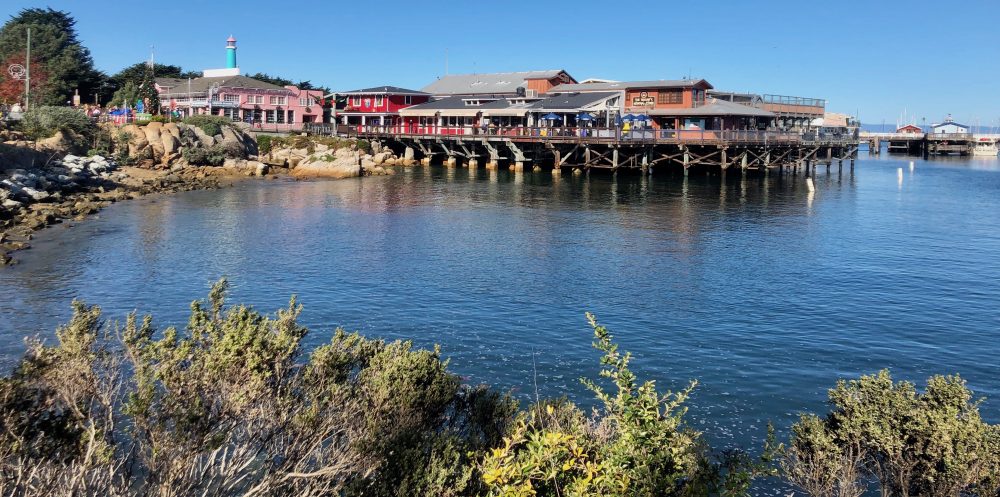
Landscape & Hospitality Design

__LANDSCAPE AND HOSPITALITY DESIGN

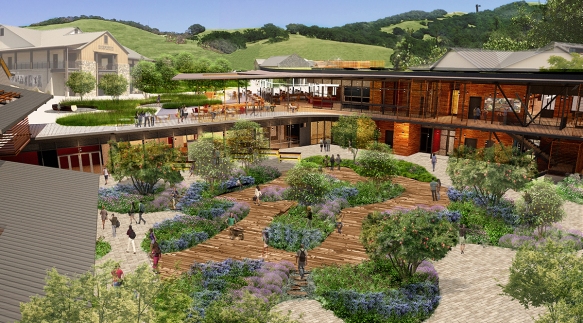
Reflections on the relationship between Landscape and the profession of hospitality architecture

By the following two designers:

SPEAKER(1): Ryan Doone – Associate Designer at HKS

Ryan is a California native and has been with HKS Hill-Glazier Studio since he returned home to Palo Alto in 2011. Prior to that, he earned professional design degrees from Harvard and MIT. His primary focus is on conceptual and schematic design for new and current hospitality projects with an emphasis on beach resorts, and his interest in the intersection between landscape and architecture make for elevated client satisfaction and guest experiences.

SPEAKER(2): Ryan O’Rourke –Designer at HKS

Ryan is a California native and has been with the HKS Hospitality Group since he moved across the bay to San Francisco in 2014. Prior to that, he earned a design degree in architecture from Cal. His primary focus is to assist in the full service delivery of a construction set. He also leads a team of individuals in the creation + implementation of programs with the goal to promote cultural diversity + inclusion throughout the studio. These programs are critical to the development of an effective + efficient workforce.